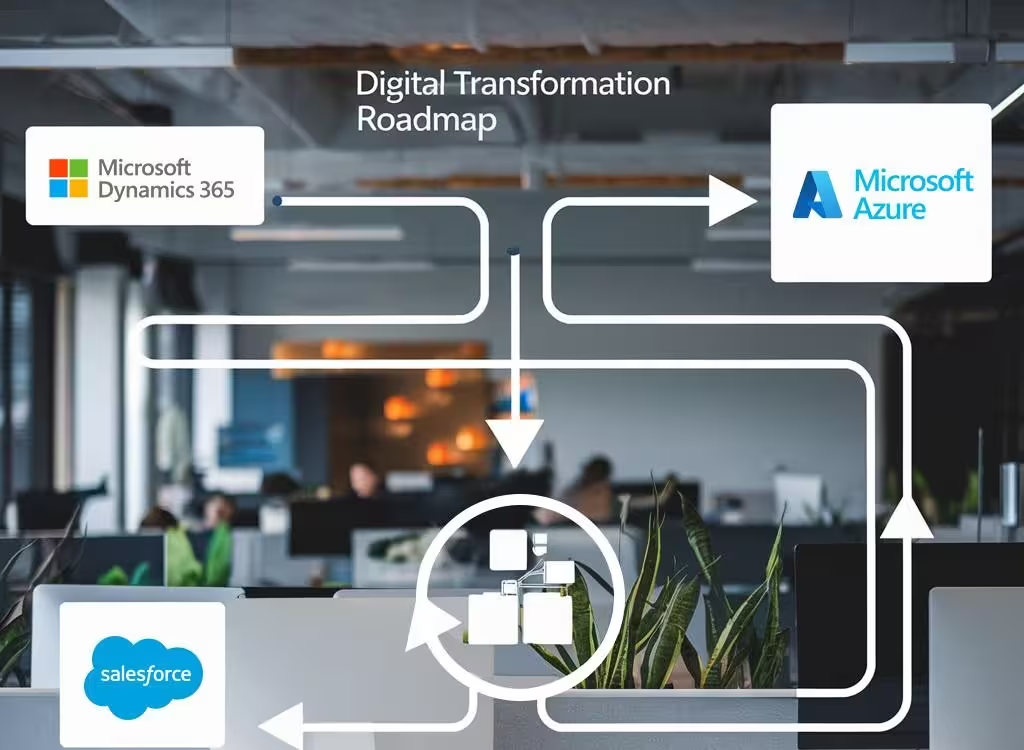
- Unifying ERP & Low-Code Velocity: Bridging mission-critical Dynamics 365 F&O backends with agile Power Apps and automated Dataverse virtual entities.
- ISV Connect Program: Unlocking specialized cloud developer tools, Azure microservices, and co-sell capabilities for enterprise software partners.
- Pre-Built Industry Accelerators: Delivering production-ready dashboards and Common Data Models for Automotive, Banking, and Healthcare verticals.
- Modular Application Licensing: Replacing monolithic suites with tailored, role-based licensing that scales cleanly with enterprise growth.
- Enterprise Proof Points: Real-world operational transformations from global enterprises including Unilever and Crane Worldwide Logistics.
The Convergence of Enterprise ERP & Low-Code Velocity
Every year, Microsoft brings together thousands of enterprise partners from around the world to celebrate, connect, and learn about the next generation of cloud architectures. At this year’s Microsoft Inspire with 13,000 global partners in Las Vegas, the energy and technical momentum surrounding Business Applications were unprecedented.
During our featured sessions, we explored how enterprise IT organizations are accelerating business velocity by pairing Microsoft Dynamics 365 with the Power Platform. Alongside leadership from Microsoft Business Applications and Power Platform engineering teams, partners from Hitachi Solutions, VeriPark, WorkSpan, and EY joined on stage to examine how low-code extensibility is fundamentally changing how Fortune 500 enterprises modernize legacy ERP systems.
“The future of enterprise systems belongs to unified architectures where complex core ledger data meets rapid low-code frontline applications—without incurring technical debt.”
Launching the Microsoft Business Applications ISV Connect Program
Independent Software Vendors (ISVs) building on Microsoft Dynamics 365 and Power Apps require modern tooling to deliver differentiated value. Following extensive previews, Microsoft officially unveiled the Business Applications ISV Connect Program.
This program brings together platform benefits, engineering investments, and specialized developer tools created specifically to support ISV success. By connecting directly to industry-leading cloud services on Microsoft Azure, partners can rapidly build and publish packaged solutions that integrate cleanly into enterprise customer environments. For complete program specifications and technical requirements, review Steven Guggenheimer’s official architectural announcement.
Expanding Dynamics 365 Industry Accelerators: Automotive & Banking
Enterprise organizations cannot afford multi-year timelines to configure vertical-specific data schemas from scratch. Microsoft’s open-source Industry Accelerators solve this by delivering pre-built Common Data Model (CDM) entities, sample workflows, and Power BI dashboards built directly into the platform.
Two major accelerators were announced, alongside substantial architectural updates to the Nonprofit Accelerator:
Automotive Accelerator
Standardized entities for dealership management, vehicle telematics, service histories, and OEM warranty claims.
Banking Accelerator
Financial service data models supporting commercial loans, retail banking relationships, wealth advisory, and KYC compliance.
Modernizing the Dynamics 365 Modular Licensing Model
In a major shift away from rigid, “one-size-fits-all” software bundles, Microsoft transitioned Dynamics 365 licensing to focus on granular, role-based application plans. Modern enterprises need software that maps specifically to functional roles, with the agility to add, configure, or retire capabilities as business requirements evolve.
Under this modular architecture, organizations purchase only the specific Dynamics 365 applications they need—such as Finance, Supply Chain Management, Sales, or Customer Service—mixing and matching solutions into an interconnected ecosystem without paying for unused capabilities.
New Licensing Flexibility for PowerApps & Power Automate
With the rollout of game-changing innovations like AI Builder and PowerApps Portals, Microsoft introduced flexible licensing models shaped by direct feedback from enterprise customers and the global developer community:
- Single Use-Case Adoption: Organizations can now pilot and roll out targeted applications for specific departments before committing to enterprise-wide platform licenses.
- Simplified Tiering: Elimination of complex feature-level distinctions between P1 and P2 plans, creating transparent cost forecasting for IT leadership.
- Built-in AI Builder Capacities: Direct integration of intelligent optical character recognition (OCR), predictive scoring, and object detection into frontline Power Apps.
Customer Spotlights: Unilever & Crane Worldwide Logistics
The real validation of this unified architecture comes from global organizations achieving measurable transformation at scale:
Unilever transformed global operations by empowering business analysts and operational specialists to build custom Power Apps backed by Power BI dashboards. With connected enterprise data at the core, Unilever democratized problem-solving, enabling teams to build agile solutions in days rather than waiting months for central developer backlogs.
Crane Worldwide Logistics scaled from an agile logistics provider into a premier global supply chain leader. Utilizing Dynamics 365 for Sales combined with LinkedIn Sales Navigator, Crane created a unified view of customer relationships across Office 365 telemetry. Furthermore, AI-driven Dynamics 365 Sales Insights automatically surfaces high-potential freight opportunities and flags accounts requiring proactive intervention.
Strategic Next Steps for Enterprise Leaders
Accelerating innovation is no longer about choosing between a heavy Tier-1 ERP and agile departmental tools. By adopting Microsoft Dynamics 365 alongside the Power Platform, IT leaders can maintain complete governance, security, and financial integrity while giving frontline teams the speed and flexibility they need to compete.